Doa Muslims Home

Category

Civic Engagement

19 articles

The Signal in the High Street: Muslim Community Radio and the Work of Being Heard in 2026

The Signal in the High Street: Muslim Community Radio and the Work of Being Heard in 2026

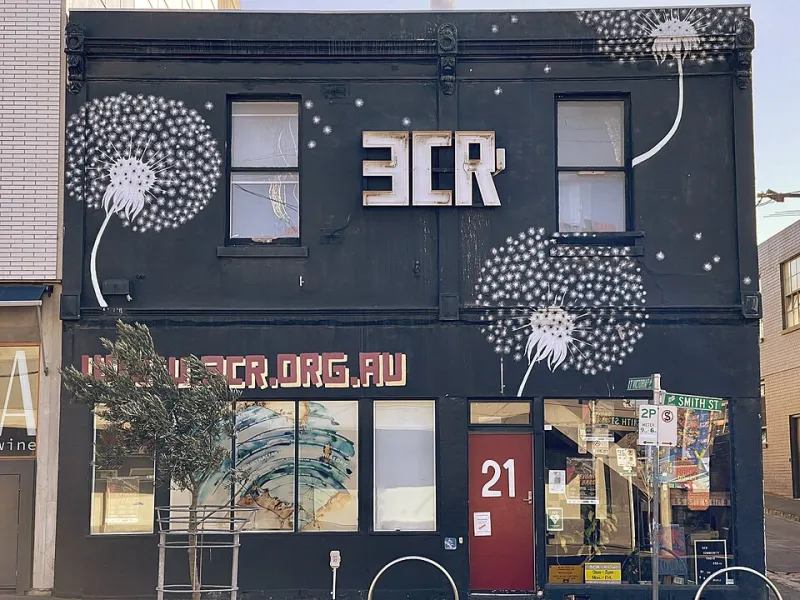
Community radio stations serving Muslim audiences are often described as broadcasters, but in practice they function as local infrastructure: a place where licensing rules, funding pressures and volunteer fatigue meet the everyday need for reliable information. As Ofcom’s framework and the shift to digital audio reshape the sector, the question is less whether these stations can survive than whether local public life can afford to lose them.
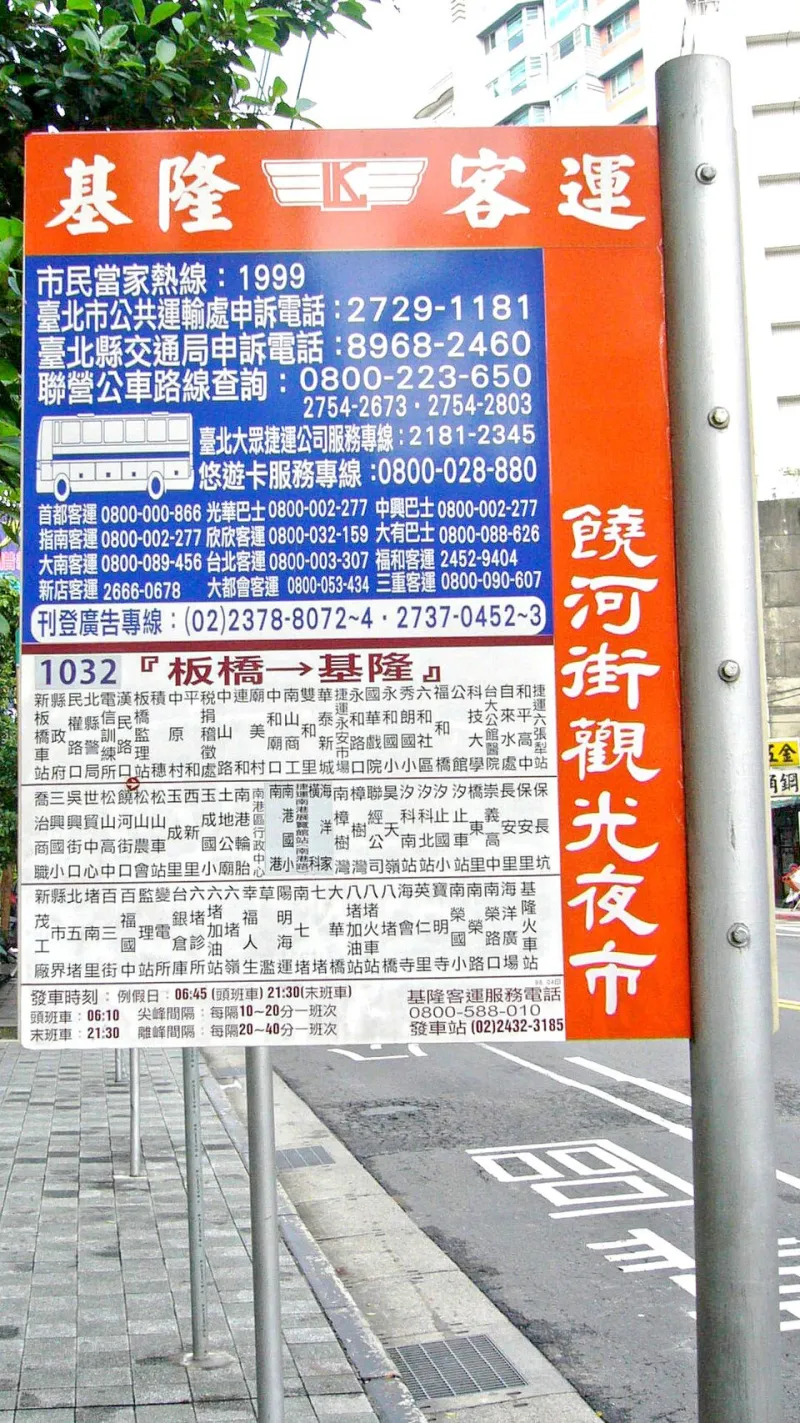
The Missing Timetable: Muslim Passengers and the 2026 Bus Review

The Missing Timetable: Muslim Passengers and the 2026 Bus Review

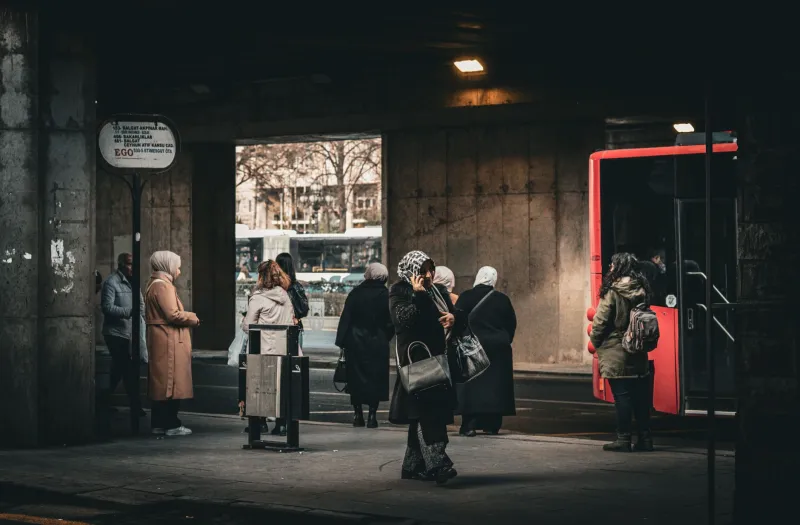
Bus consultations are often written as technical exercises in route efficiency. For many Muslim neighbourhoods they are also decisions about access to prayer, work, care and the high street. This guide explains how to read the 2026 proposals, what evidence carries weight, and how communities can make the case that bus policy is social infrastructure.

The Borrowed Shelf: Muslim Volunteers and the 2026 Fight for Public Libraries

The Borrowed Shelf: Muslim Volunteers and the 2026 Fight for Public Libraries

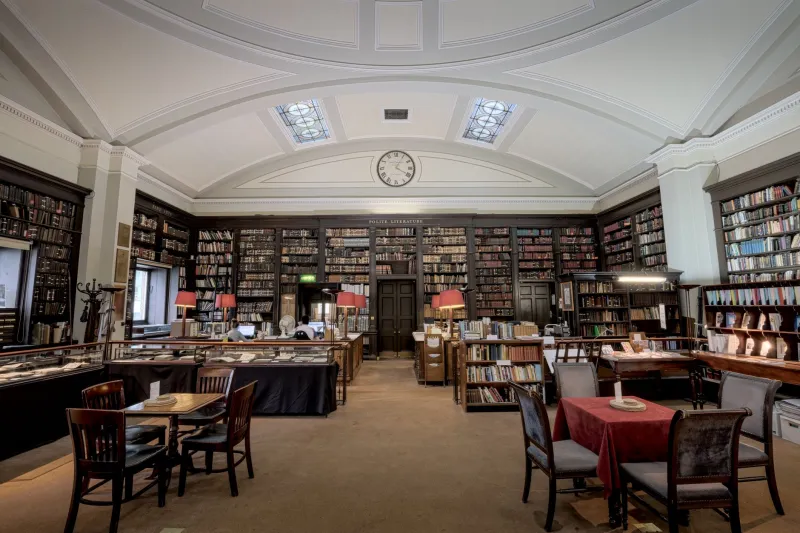
As councils weigh library closures and shorter opening hours in 2026, mosque-run book corners, homework clubs and ESOL sessions are quietly filling gaps. The debate now turns on whether Muslim volunteers are helping to sustain civic infrastructure — or being asked to soften the edges of its retreat.

Paper Trails and Public Trust: Muslim Groups Face the 2026 Council Grants Cycle

Paper Trails and Public Trust: Muslim Groups Face the 2026 Council Grants Cycle

As town halls finalise their 2026 budgets, Muslim-led charities and mosque-linked community groups are discovering that the decisive document is often a spreadsheet, not a speech. This guide explains how discretionary grant rounds work, what councillors scrutinise, and how grassroots organisations can build credible bids without becoming captive to short-term funding pots.

Scrutiny Beyond the Siren: Muslim Residents and the Rooms Where Policing Is Reviewed

Scrutiny Beyond the Siren: Muslim Residents and the Rooms Where Policing Is Reviewed

Community scrutiny panels review stop-and-search records, complaints and use-of-force incidents across England and Wales, yet Muslim residents remain thinly represented in the rooms where those judgments are formed. This piece explains how the panels operate in 2026, what a panel member actually sees, and how mosques and civic groups can nominate participants without reducing them to decoration.

Whistles at Six: The Quiet Contest Over School Halls and Muslim Youth Sport

Whistles at Six: The Quiet Contest Over School Halls and Muslim Youth Sport

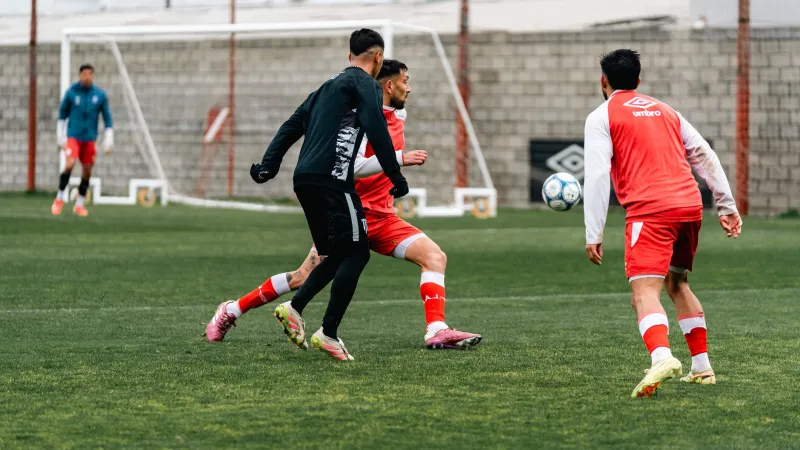
Evening lettings of school halls and council pitches have become a quiet test of fair access for Muslim-run youth clubs. Volunteer coaches are negotiating booking portals, safeguarding costs and tighter budgets in 2026 — and asking whether community sport is being priced out of the timetable.

Rows of Influence: Muslim Growers and the Quiet Politics of Green Space

Rows of Influence: Muslim Growers and the Quiet Politics of Green Space

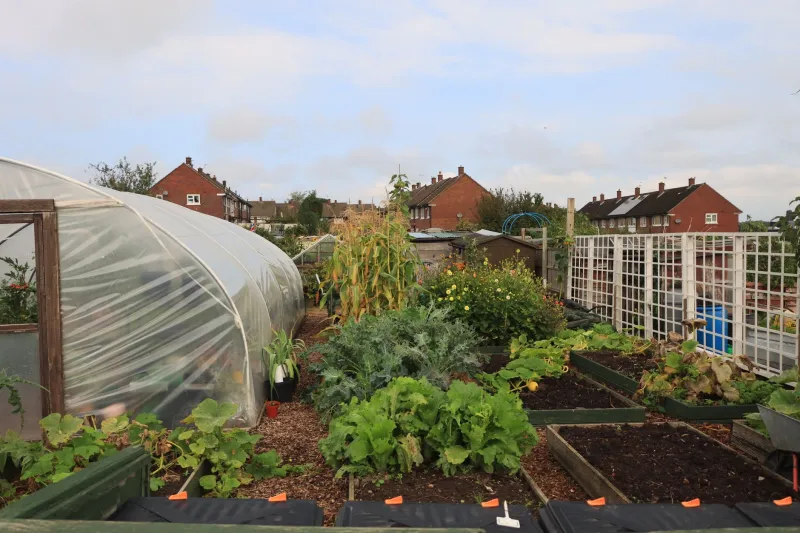
Across British cities, Muslim-led allotment societies and community gardens are moving from the margins of local life into planning consultations, land allocation debates and council scrutiny. Their practical need for growing space is colliding with waiting lists, development pressure and the quiet politics of who gets to shape a neighbourhood's green future.

November’s Shared Ground: Muslim Britain and the Public Work of Remembrance

November’s Shared Ground: Muslim Britain and the Public Work of Remembrance

Remembrance weekend 2026 has again shown Muslim councillors, imams and community volunteers taking part in local acts of commemoration — not as guests at someone else’s ceremony, but as participants in a shared civic calendar. The deeper story lies in the quiet logistics, the sensitive conversations and the ordinary public duties that surround the wreath-laying.

The 3am Constituency: Muslim Night Workers and the Battle to Be Counted

The 3am Constituency: Muslim Night Workers and the Battle to Be Counted

Late-night bus routes are often cut first, yet they carry the staff who keep hospitals, care homes and warehouses running. As UK cities shape transport plans in 2026, Muslim communities have a practical stake in making sure consultations hear the people who travel when most of the city is asleep.

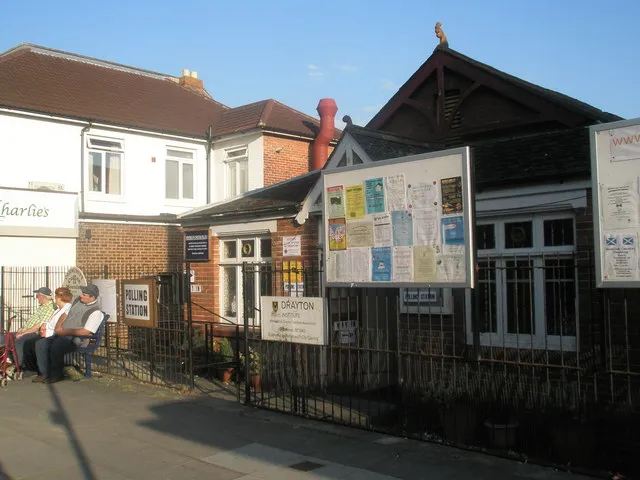
Neutral Ground: The Quiet Contract Between Mosque Halls and the Ballot

Neutral Ground: The Quiet Contract Between Mosque Halls and the Ballot

When a mosque hall becomes a polling station, the arrangement is usually framed as a hire agreement. But the details — signage, access, neutrality and trust — carry a civic weight that outlasts election day. This article examines what the trend reveals about the changing geography of British democracy.

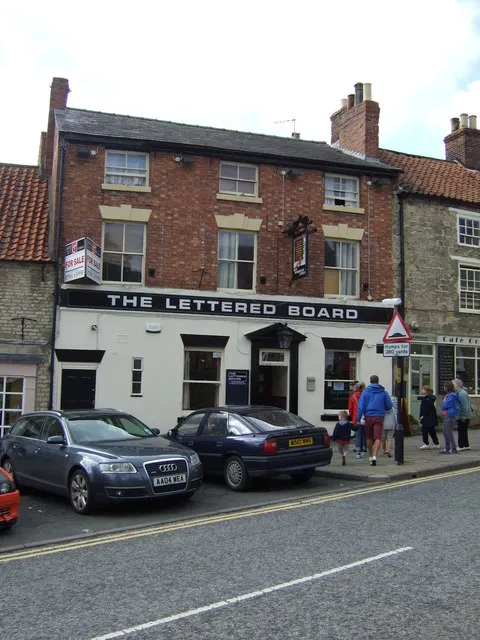
The Notice in the Window: Muslim Residents and the Quiet Machinery of Licensing

The Notice in the Window: Muslim Residents and the Quiet Machinery of Licensing

Most decisions about the night-time high street are made in a committee room, not a slogan. This is a practical guide to how Muslim residents and mosques can use licensing law — the consultation window, the relevant representation, the hearing, the review — to shape safer, quieter neighbourhoods.

Boardrooms Without a Map: The Public Appointments Route Muslim Britain Must Learn

Boardrooms Without a Map: The Public Appointments Route Muslim Britain Must Learn

Muslim communities have deep experience of running mosques, charities and local campaigns, but that experience rarely reaches NHS trust boards, scrutiny panels or cultural public bodies. The barriers are practical, fragmented and rarely audited. This article maps the 2026 appointments landscape and sets out what community groups and individuals can do next.

Panels and Prayer: How Mosque Climate Teams Are Entering the Planning Debate

Panels and Prayer: How Mosque Climate Teams Are Entering the Planning Debate

Muslim-led environment committees are moving from rooftop solar and Ramadan waste campaigns into council climate partnerships and neighbourhood plans. Their progress in 2026 shows how practical projects can build trust beyond the congregation and why local climate policy is becoming a test of Muslim public participation.

Reading the Papers, Shaping the School: Muslim Governors and the Everyday Work of Public Trust

Reading the Papers, Shaping the School: Muslim Governors and the Everyday Work of Public Trust

School governance is rarely treated as headline civic work, yet it places ordinary residents at the heart of decisions about admissions, exclusions, staffing and curriculum. This deep dive considers why Muslim communities should see governor recruitment as a core part of public-life participation in 2026, and what practical support would help more governors thrive.

A Room Set Aside: What Prayer Spaces in Public Buildings Really Tell Us

A Room Set Aside: What Prayer Spaces in Public Buildings Really Tell Us

Disputes over prayer rooms in hospitals, universities and council offices tend to arrive pre-packaged as a culture war. They are usually something duller and more important: a test of whether a public institution can provide for everyone without privileging anyone. Getting that right is a civic skill, not a concession.